The best fabric grow bags right now are purpose-built, nonwoven or knit-fabric containers with a GSM rating of at least 260 (ideally 300 to 450 for heavy use), reinforced stitched seams, sturdy handles, and a wall design that genuinely allows air to reach roots and prune them by desiccation or constriction. Brands like Root Pouch, RediRoot, RootMaker, MIgardener, and Epic Gardening consistently deliver on those criteria. Which one is best for you depends on what you're growing, how big a container you need, and how much reuse you want out of the bag. This guide walks through all of it so you leave with a clear answer.
Best Grow Bags: How to Choose, Sizes, and Top Picks
Marcus Holloway
24 Mar 2026
What actually makes a grow bag the "best"
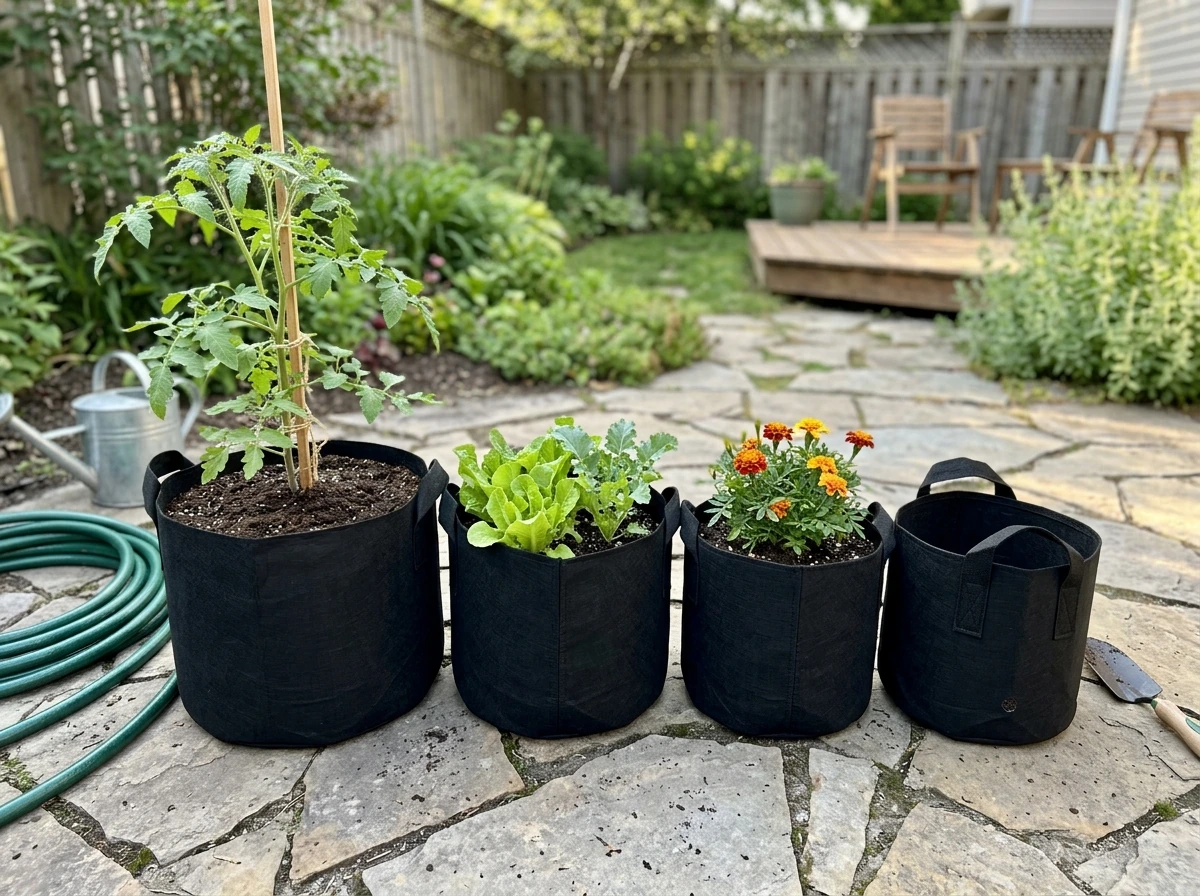
"Best" is doing a lot of work in this search, so let's make it concrete. A grow bag earns that label by doing three things well: promoting a healthy root architecture through air pruning, draining fast enough to prevent rot, and holding up across multiple growing seasons without falling apart at the seams. Everything else, color, brand name, price point, is secondary to those fundamentals.
Here are the criteria that actually separate a quality grow bag from a mediocre one. Use this as a mental checklist when you're comparing options.
- Fabric weight (GSM): Look for the gram-per-square-meter rating. A 247Garden 25-gallon bag, for example, is rated at 260 GSM nonwoven fabric. Better bags run 300 to 450 GSM for durability and structural integrity. Vague labels like "heavy duty" with no number are a red flag.
- Fabric type (nonwoven felt vs. knit): Nonwoven polypropylene felt is the most common, good for drainage and air pruning. Knit fabric, used by RootMaker, works by constriction, roots grow through the openings (specified at 5/64 inch diameter on RootMaker's knit containers) and are pruned as they expand. Both work, but through slightly different mechanisms.
- Stitching and seam construction: Root Pouch bags are hand-sewn, which is a meaningful quality control signal. Look for double-stitched or reinforced seams, especially at the handles. Glued or heat-bonded seams on cheap bags are where failures start.
- Handle design: Handles need to hold the bag's full weight when the bag is wet and loaded with soil. Fabric straps that are sewn through the bag wall are more reliable than handles that are only stitched to the top hem.
- Air pruning performance: Roots reaching the breathable wall are exposed to air, which stops elongation and redirects growth toward more fibrous feeder roots. HortScience research confirms this reduces root circling compared with standard containers. The fabric must actually breathe, so confirm the material is porous, not just thin.
- UV treatment: If you're growing outdoors, UV-stabilized fabric extends bag life significantly. Epic Gardening's lined grow bags are explicitly UV-treated. Without UV treatment, polypropylene fabric can degrade in one to two seasons of direct sun.
- Liner presence (and whether you want one): Lined bags slow moisture loss and can help with water-sensitive crops. Unlined bags drain faster and are better for air pruning. If you see a "lined" bag, confirm the liner still allows drainage and airflow at the base.
- Reusability and durability rating: Root Pouch, which blends 100% recycled PET with natural fibers, is rated for up to five years of reuse by multiple retailers. User reports in growing communities back up the five-year benchmark for quality bags with UV treatment. Cheaper bags may last one or two seasons.
Top grow bag picks by what you're growing
Different crops have genuinely different needs, so "the best" bag shifts depending on what you're putting in it. Here's a breakdown by growing goal.
Vegetables (tomatoes, peppers, potatoes, cucumbers)
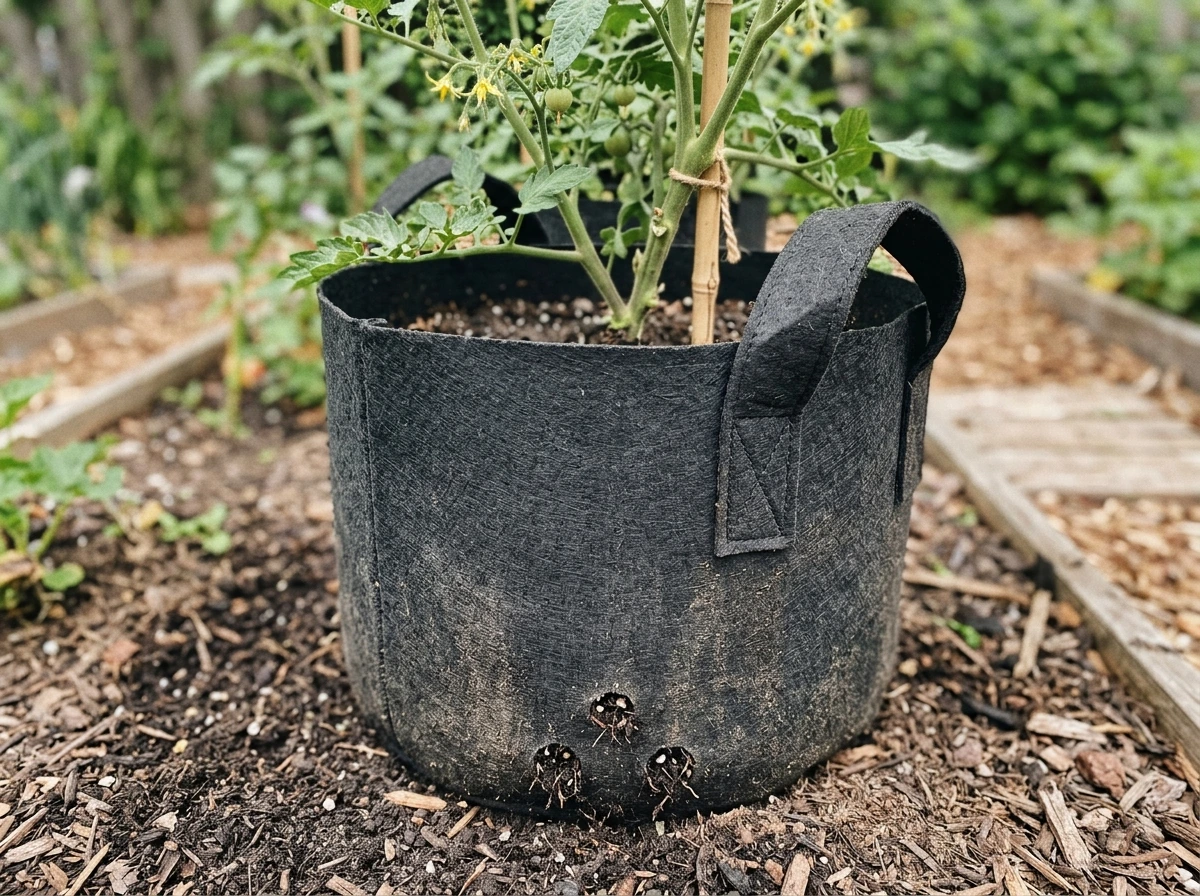
For most vegetables, you want a breathable nonwoven felt bag in the 5- to 20-gallon range, with strong handles and fast drainage. MIgardener's fabric aeration containers are made from a porous felt material and list exact dimensions for their 10-gallon and 20-gallon sizes, which matters because a bag listed as "20 gallon" can vary a lot in actual height and diameter depending on the maker. Root Pouch is another strong choice here, especially their handled versions, because the recycled PET and natural fiber blend holds shape under repeated watering and handles the weight of a fruiting tomato plant without stretching. A 5-gallon Root Pouch is a well-regarded starting point for new fabric container growers. For heavy feeders like tomatoes or squash, go with at least 10 gallons.
Flowers and herbs
Flowers and herbs are more forgiving on volume but benefit from the air pruning effect to keep root systems tidy and productive. A 3- to 7-gallon felt bag works well for most herbs. For flowers you want to move around a patio or balcony, look for bags with reinforced side handles and a stable flat base. MIgardener and Root Pouch both offer sizes in this range. With herbs especially, fabric bags dry out faster than plastic pots, which is usually an asset (herbs hate wet feet) but means you may need to water more frequently in hot weather. Users in container gardening communities consistently flag this: size up if you don't want to water daily in summer.
Trees and large shrubs
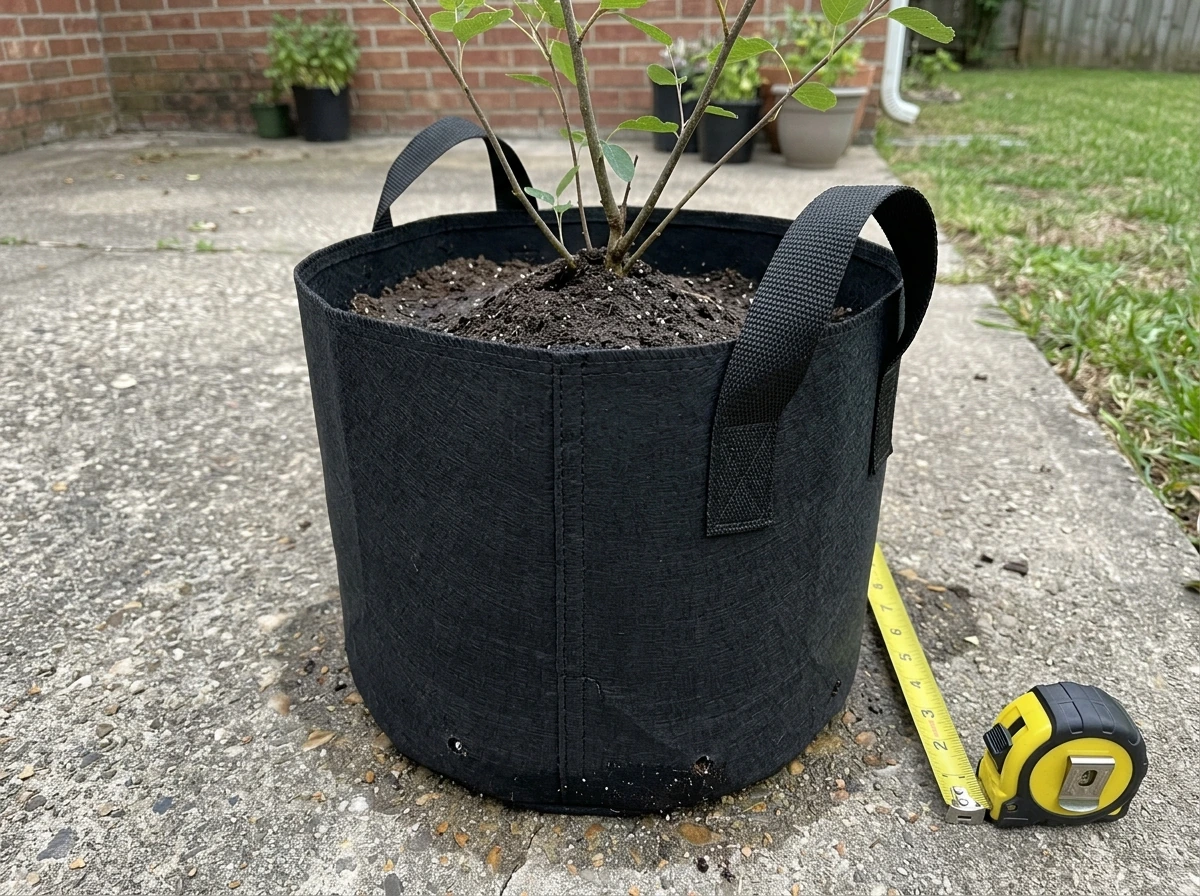
This is where construction quality becomes non-negotiable. A 15-gallon or larger bag filled with wet soil can weigh 50 to 80 pounds or more. RediRoot's HD (heavy duty) handled bags, including their #25HD model which publishes explicit diameter and height specs, are purpose-built for this. RootMaker's knit fabric containers also shine here: their 15-gallon and larger sizes use a base made from knit fabric with 5/64-inch openings that allow fine roots to "tack in" to the ground for stability, and the catalog notes that larger sizes still benefit from cable guides for added support. For trees, stability at the base is as important as air pruning at the wall. RediRoot's published dimension tables also make it easy to compare actual footprint and depth across sizes, which affects how well the tree is anchored. Research from HortScience supports that air-pruning containers can produce superior root systems for nursery production, especially for citrus, which is encouraging if you're growing citrus or other fruit trees in containers.
Mushrooms
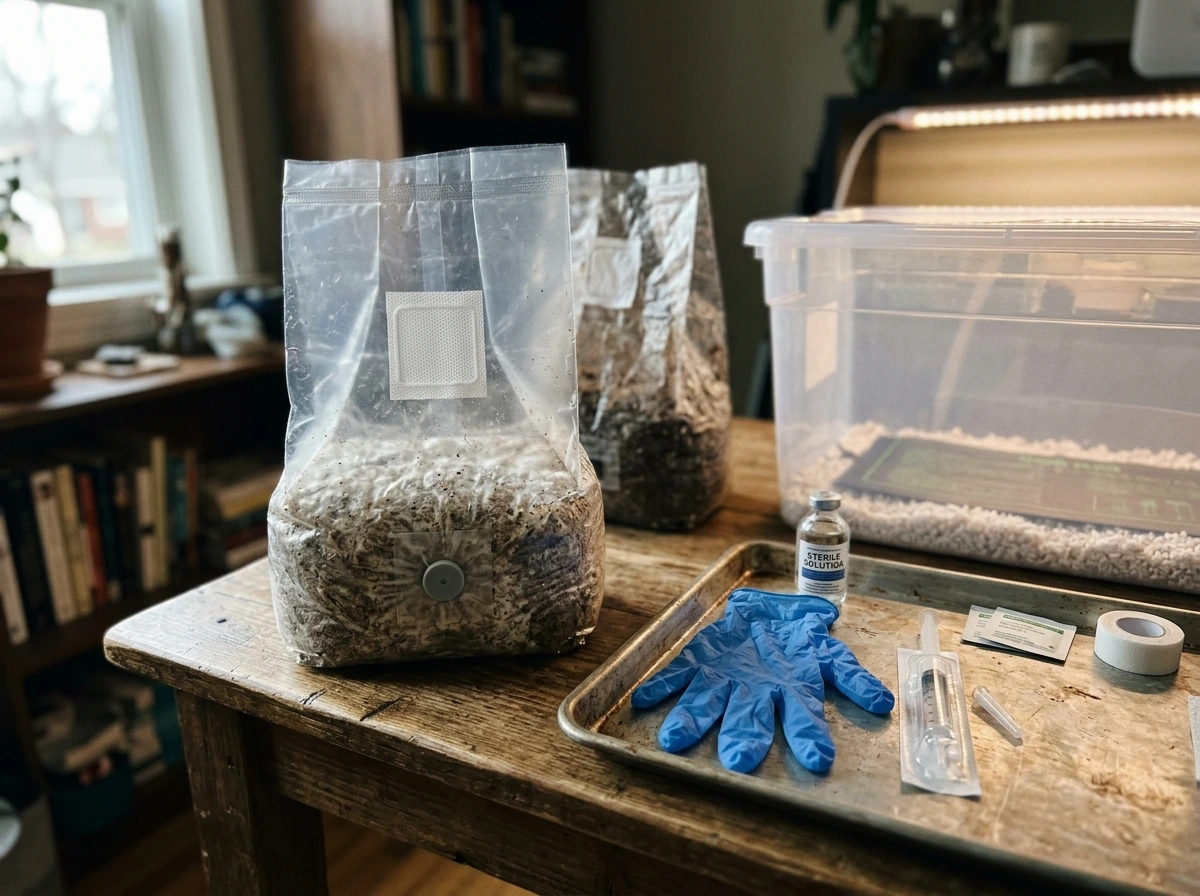
Mushroom cultivation in grow bags is a different use case than plant growing. Here you're typically using a polypropylene (PP) bag sealed during sterilization and colonization, then opening or venting it for fruiting. The key variables are fresh air exchange (FAE), moisture retention, and CO2 buildup. Community growers consistently find that moisture management is critical: a bag or substrate that's too dry stalls colonization and fruiting, while a fully sealed bag can trap CO2 and stress the mycelium. Look for mushroom grow bags with a self-healing injection port and a 0.2-micron filter patch for gas exchange during colonization. For fruiting, cut or open the bag according to your species' needs. Root Pouch's brochure does note the brand's focus on cultivation containers, but the standard fabric grow bags used for plants are generally not the right format for mushroom growing. Mushroom growers need sterile-compatible polypropylene bags, not breathable fabric plant bags. Specialty mushroom supply companies are the right source for that category.
How grow bags are made (and why construction choices matter)
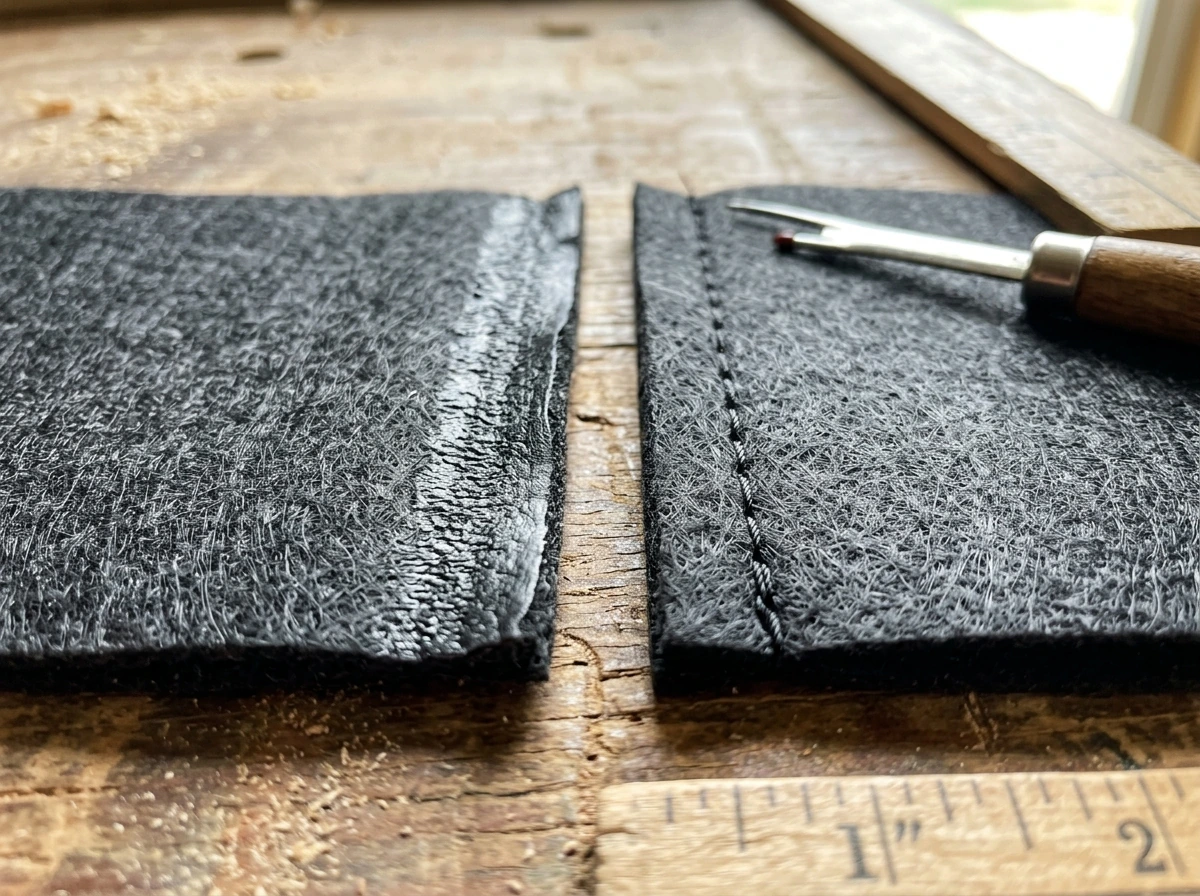
Most fabric grow bags start as rolls of either nonwoven polypropylene (felt) or knit fabric. Nonwoven felt is made by bonding synthetic fibers together under heat and pressure, creating a dense, porous mat. Knit fabric is woven in a grid pattern with consistent, measurable openings. The fabric is then cut to shape, folded, and sewn into a bag form. This is where quality diverges sharply.
Cheap bags are often glued or ultrasonically bonded at the seams rather than sewn. That works fine until the seam takes stress from a heavy, wet root ball, and then it separates. Root Pouch specifies hand-sewn construction as a quality differentiator. Reinforced double-stitched seams, especially at handle attachment points, are what you want to see in any bag rated for multiple seasons of use.
The fabric weight (GSM, or grams per square meter) is the most reliable single number for comparing bags. A 247Garden 25-gallon bag is listed at 260 GSM nonwoven fabric. Specs from fabric product profiles show ranges like 340 GSM plus or minus 20 as a quality benchmark for durable nonwoven grow containers. Higher GSM generally means more material per unit area, which translates to better structural support and longer life, but can reduce breathability slightly. The sweet spot for most home growers is 300 to 400 GSM for a balance of airflow and durability.
Root Pouch takes a different material approach: their bags blend 100% recycled PET plastic with natural fibers. The PET provides structure and UV resistance while the natural fiber component supports water management and breathability. This is why Root Pouch bags hold their shape through multiple seasons and are rated for up to five years. Epic Gardening's lined grow bags add a UV-treated outer layer with an inner liner, attempting to slow moisture loss while maintaining outer-wall airflow.
For knit-fabric containers like those from RootMaker, the mechanism is different. Roots grow outward, enter the knit openings (5/64 inch in diameter), and are physically constricted as they try to thicken. This triggers branching and a denser fibrous root system rather than circling. RootMaker's catalog calls this "continuous root pruning by constriction," and it's backed by the root architecture research from horticultural studies. The tradeoff is that knit fabric can compress or deform more easily than dense nonwoven felt, so seam and base construction matter even more.
Sizing, capacity, and drainage: what size do you actually need
Gallon ratings on grow bags can be misleading because two bags both labeled "20 gallon" can have very different actual dimensions. A taller, narrower bag gives you more root depth, which is good for carrots or deep-rooted trees. A shorter, wider bag has more surface area at the base, which improves drainage and stability for bushy plants. Always look for published diameter and height measurements, not just the gallon number. RediRoot publishes a full specification table with diameter, height, and volume for every size, which is exactly the kind of transparency you should expect from a quality maker.
| Plant Type | Recommended Size | Notes |
|---|---|---|
| Herbs (basil, parsley, mint) | 3 to 5 gallon | Dry out fast; water frequently in heat |
| Lettuce, spinach, greens | 5 to 7 gallon | Shallow roots; prioritize wide base for drainage |
| Tomatoes, peppers, eggplant | 10 to 20 gallon | Bigger is better; 10 gal is minimum for indeterminate tomatoes |
| Cucumbers, squash | 10 to 15 gallon | Need room for runners and root spread |
| Potatoes | 10 to 20 gallon | Deep bag preferred; 20 gal gives room to hill up |
| Dwarf fruit trees, citrus | 25 to 45 gallon | Heavy; prioritize stability and handle reinforcement |
| Large shrubs, specimen plants | 15 to 25 gallon | Check actual height dimension, not just gallon rating |
| Flowers (annuals) | 3 to 7 gallon | UV treatment matters for outdoor longevity |
Drainage in a fabric bag is mostly passive: water moves through the porous walls and base rather than collecting at the bottom. This is a major advantage over plastic pots, which require you to get drainage holes right. But the flip side is that fabric bags dry out faster, sometimes within a day in hot, dry weather. Community growers consistently report this as a surprise. If you're growing in a climate with hot summers, water more frequently or choose a lined bag that slows moisture loss. For mushrooms, this is especially critical: drying out stalls colonization and fruiting, so moisture management is the central challenge.
Stability becomes a practical concern above 15 gallons. At that size, a wet soil-filled bag can become top-heavy and tip, especially if the base is narrow relative to the height. RootMaker's knit-fabric base design with small openings helps the bag "tack in" to the ground for stability, but their own product listings note that 15-gallon and larger sizes still benefit from cable guides. For large trees in fabric containers on a patio or deck, consider placing the bag inside a wider outer ring or planter box to prevent tipping.
Getting the best price and value without buying junk
Fabric grow bags range from under a dollar per bag for bulk generic felt bags to $15 to $30 or more per bag for premium constructed containers from Root Pouch or RediRoot. The question isn't which is cheapest, it's which delivers the best cost-per-season when you factor in lifespan and plant performance.
A Root Pouch bag rated for up to five years at $8 to $12 per bag costs $1.60 to $2.40 per season. A generic 260 GSM nonwoven bag at $1.50 that degrades after two seasons is $0.75 per season, but may fail mid-season, lose structural integrity after one wash, or not actually provide reliable air pruning if the fabric is too thin or poorly made. For seasonal annuals where you're replacing soil anyway, cheaper bags in the 200 to 300 GSM range are a reasonable call. For perennials, trees, or any situation where you're investing heavily in soil mix and plant stock, the cost-per-season argument favors spending more upfront.
When is cheap fine? For growing potatoes, temporary nursery starts, or trial runs with a new crop, a basic nonwoven felt bag works well enough. The key is to verify the GSM rating (at least 200, ideally 260 or above), confirm stitched seams, and not expect more than two or three seasons. Buying in multi-packs (25-pack listings from brands like Root Pouch or 247Garden, for example) brings per-bag cost down significantly and is a legitimate way to get value without sacrificing quality. Multi-packs from reputable brands give you consistent specs across all bags in the set, which matters when you're standardizing a growing setup.
Watch out for listings that use only vague marketing language with no fabric weight, no published seam type, and no dimensional specs. "Heavy duty" with no GSM number is not a specification. A bag that claims exceptional air pruning but doesn't describe the fabric type or porosity is making a promise it may not keep. Some testing and community experience suggests that air pruning effects can be overstated for very thin or loosely woven generic bags where roots simply grow out of the bag rather than being pruned at the wall. The better brands publish measurable specs because the product actually performs.
Brands worth knowing
You don't have to buy from a premium brand to get a good grow bag, but knowing which makers publish real specs, use quality construction, and back their products with consistent sizing helps you shop smarter. Here are the brands I consistently point people toward, and what each is known for.
| Brand | Material / Construction | Best For | Durability Claim |
|---|---|---|---|
| Root Pouch | Recycled PET + natural fiber blend; hand-sewn | Vegetables, flowers, trees; long-term reuse | Up to 5 years |
| RediRoot | Aeration fabric; published dimension specs; HD handled models | Trees, large containers, nursery production | Heavy-duty HD line for multi-season use |
| RootMaker | Knit fabric; 5/64-inch openings; constriction-based pruning | Nursery starts, trees, root architecture focus | Designed for repeated commercial use |
| MIgardener | Porous felt; published dimensions per size | Vegetables, home garden growing | Solid multi-season performance |
| Epic Gardening | UV-treated outer + liner construction | Outdoor vegetables; moisture-sensitive crops | UV treatment extends outdoor life |
| 247Garden | 260 GSM nonwoven; multi-pack value options | Budget-conscious growers; seasonal crops | 1 to 3 seasons typical for standard line |
Root Pouch stands out if you want the most documented, transparent product line with a clear material story (100% recycled materials) and long-term reusability. RediRoot is the go-to for serious tree growers and nursery professionals because of their published dimensional specs and heavy-duty handled versions. RootMaker is uniquely suited for growers who want the constriction-based pruning mechanism for precise root architecture control, particularly in nursery and tree-growing contexts. For everyday vegetable and flower gardening at home, MIgardener and Epic Gardening offer approachable options with good transparency. 247Garden fills the budget multi-pack niche reasonably well if you confirm GSM and seam type before buying.
If you're specifically interested in bags optimized for cannabis, including the best grow bags for weed plants, those are each their own research rabbit hole worth exploring separately, since product availability and regional sourcing shift frequently enough that a dedicated review is more useful than a footnote here.
How to choose the right grow bag today: a step-by-step buying guide
If you've read this far and still aren't sure which bag to order, work through these steps in order. Most people land on a clear answer by step four.
- Define your crop and season length. Annual vegetables? A 260 GSM nonwoven felt bag in the right size is sufficient. Perennials, trees, or multi-season herbs? Spend more and get a UV-treated or PET-blend bag rated for three to five years.
- Pick your size based on plant type, not gut feel. Use the sizing table above as a starting point. For tomatoes, commit to 10 gallons minimum and 20 gallons if you can. For trees, 25 gallons and up. Then look for published diameter and height specs to confirm the bag's actual footprint and depth fit your space.
- Check the GSM rating. If a listing doesn't give you a GSM number, look for another option. For one to two season use, 200 to 260 GSM is acceptable. For three-plus seasons, look for 300 GSM or higher. For trees and heavy loads, 350 to 450 GSM with reinforced seams.
- Confirm stitched seams and handle attachment. Look for descriptions mentioning double-stitched or hand-sewn construction. Handles should be sewn through the bag wall, not just attached to the rim. This is especially important for anything over 10 gallons.
- Decide on lined vs. unlined. If your climate is hot and dry and you're growing moisture-sensitive crops, a lined bag slows drying and can reduce watering frequency. If drainage and air pruning performance are the priority, go unlined. Most vegetable growers do fine with unlined bags if they adjust watering habits.
- Calculate cost per season. Take the bag price, divide by expected seasons of use, and compare across your options. A $10 bag lasting five years is $2 per season. A $2 bag lasting one season is $2 per season. At that point, the premium bag wins on construction quality and reliability.
- Buy from a brand that publishes real specs. If the product page gives you GSM, diameter, height, fabric type, and seam construction, you can make an informed decision. If it only gives you a gallon number and some marketing language, shop elsewhere.
One last practical note: wherever you land on brand and size, set realistic expectations for watering. Fabric bags breathe, which means they dry faster than plastic pots, especially in summer heat. This is a feature, not a flaw, but it requires you to check moisture levels more often. For a quick way to find the best grow bags made in USA, focus on brands that publish fabric GSM, seam construction, and dimensional specs. For most crops, stick your finger two inches into the soil; if it's dry at that depth, water thoroughly until it runs from the base. That's the grow bag routine in a nutshell, and once you're used to it, you won't miss plastic pots.
FAQ
Can I reuse the best grow bags for multiple seasons, and how should I clean them?
Yes, but only if the bag is fully designed for repeated seasons. Before you reuse, shake out roots and debris, then rinse thoroughly and let the bag dry completely in sun for several hours. If the fabric shows seam separation or fraying near the handles or base, replace it, since a failing seam is where most mid-season blowouts happen.
Why do some 20-gallon grow bags perform differently even when the label says the same size?
The best way is to check actual fabric specs on the listing, not the “gallon” claim. A 20-gallon bag can be taller and narrower or shorter and wider, which changes root depth and stability. Use published diameter and height numbers to match your crop (deep roots like carrots and fruit trees favor depth).
Do lined grow bags still provide good air pruning and drainage?
If you use a lined grow bag outdoors, expect moisture to stay in longer but airflow to change. Lining can slow drying, which helps in hot climates, but it may also reduce how quickly the outer wall prunes roots. If your goal is maximum air pruning, prioritize unlined or minimally interfered designs and compensate with more frequent watering checks.
How full should I fill a fabric grow bag to prevent waterlogging and rot?
They are usually fine, but don’t overfill. Fabric bags rely on passive drainage through the walls and base, and too much soil can keep the interior wetter than the outer rim, increasing rot risk. For large bags (15 gallons and up), fill to the recommended level and keep the base flat and supported so the bag doesn’t sag or tip.
What’s the best watering strategy for fabric grow bags in summer heat?
Yes. In hot, dry conditions, fabric can dry out within a day, and the “finger test” may show dry at 2 inches even when the top looks moist. Consider watering based on soil moisture at depth, and if you can’t check daily, size up or choose a design that slows moisture loss (for example, a UV-treated outer layer or controlled lining).
How do I prevent large grow bags from tipping over on a patio or deck?
At sizes above about 15 gallons, tipping becomes a real risk because a wet soil load can be heavy and the base may be narrower than the height. Use a wider outer planter ring or set the bag inside a stable container, and if the manufacturer recommends cable guides or anchors, use them immediately before the bag becomes fully loaded.
What details should I look for to avoid misleading grow bag listings?
Look for published GSM (fabric weight), confirmed seam type (stitched, not just bonded), and actual dimensions. Avoid listings that only say “heavy duty” or “air pruning” with no GSM, no seam description, and no diameter and height specs, since thin or poorly constructed generic bags can separate or fail to prune reliably.
When should I retire a grow bag, and which parts fail first?
Replace them when structural integrity fails, not when the garden looks done. Handle points, side seams, and the base are the first areas to degrade under repeated wet-dry cycles. If seams loosen, the bag can swell, then split, and you lose soil retention and root architecture control mid-season.
Are cheaper grow bags ever a good idea for vegetables like potatoes?
For potatoes and other short-season crops, cheaper bags can work if they still meet a minimum fabric weight and construction quality. Verify the GSM is at least 200 (ideally 260+), confirm stitched seams, and accept that the bag may only be reliable for two growing cycles. Don’t use very thin bags if you’re aiming for long-term reuse.
How should I choose the best grow bags for cannabis differently than for tomatoes or herbs?
For cannabis, compatibility depends on whether you want faster drying for control or slower drying for fewer waterings, and you also need to confirm the bag size matches your expected canopy and root mass. If a product is marketed specifically for cannabis, it can mean sizing, handling, or material choices, but you should still verify GSM, seam construction, and drainage behavior.
Can I use regular fabric grow bags for mushrooms if I vent them correctly?
You generally should not use standard plant grow bags for mushroom cultivation. Mushroom grows often require sterile-compatible polypropylene bags with a specific approach to fresh air exchange and moisture management, and breathable fabric plant bags are usually the wrong format. If you’re doing mushrooms, buy mushroom grow bags or kits designed with injection ports and filter patches.
Next Articles
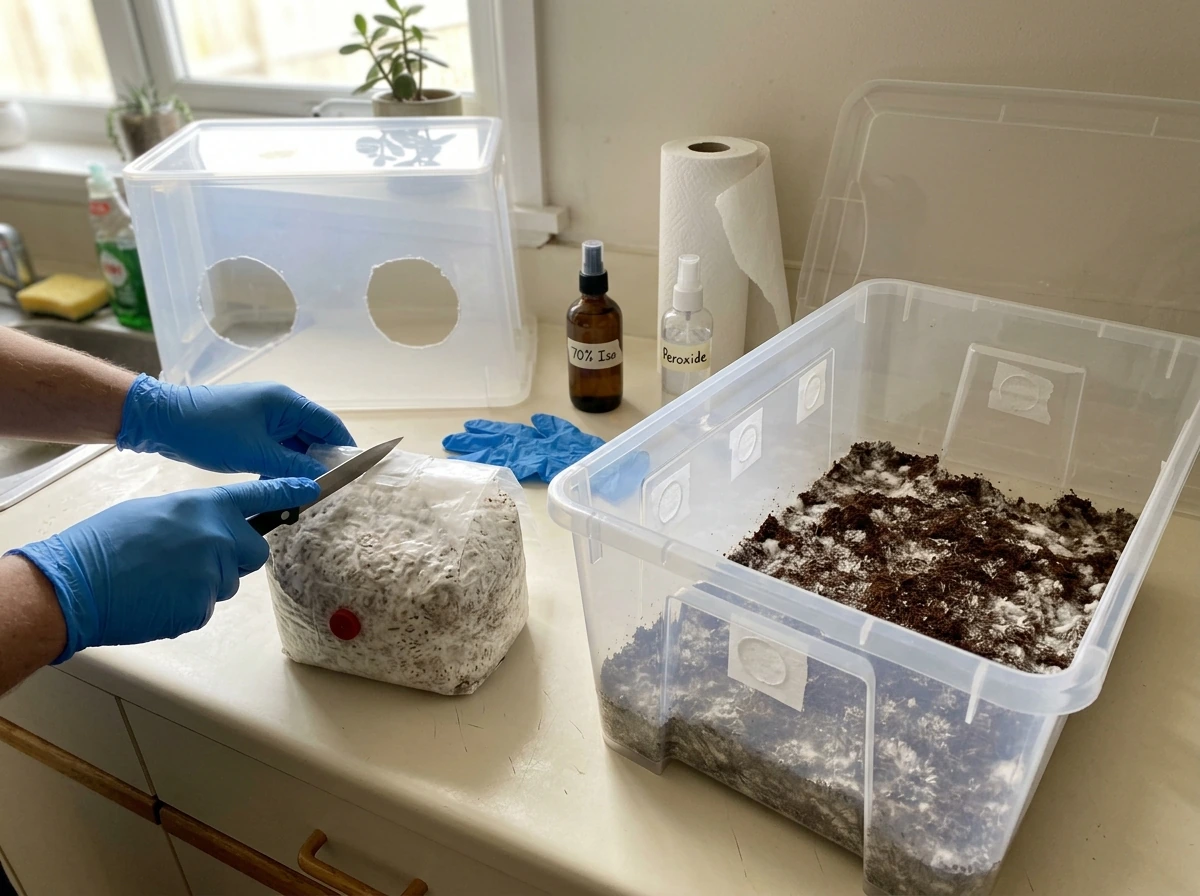
How to Transfer a Mushroom Grow Bag to a Monotub
Step-by-step timing, prep, transfer, and monotub setup for moving a colonized grow bag into a thriving fruiting tub.
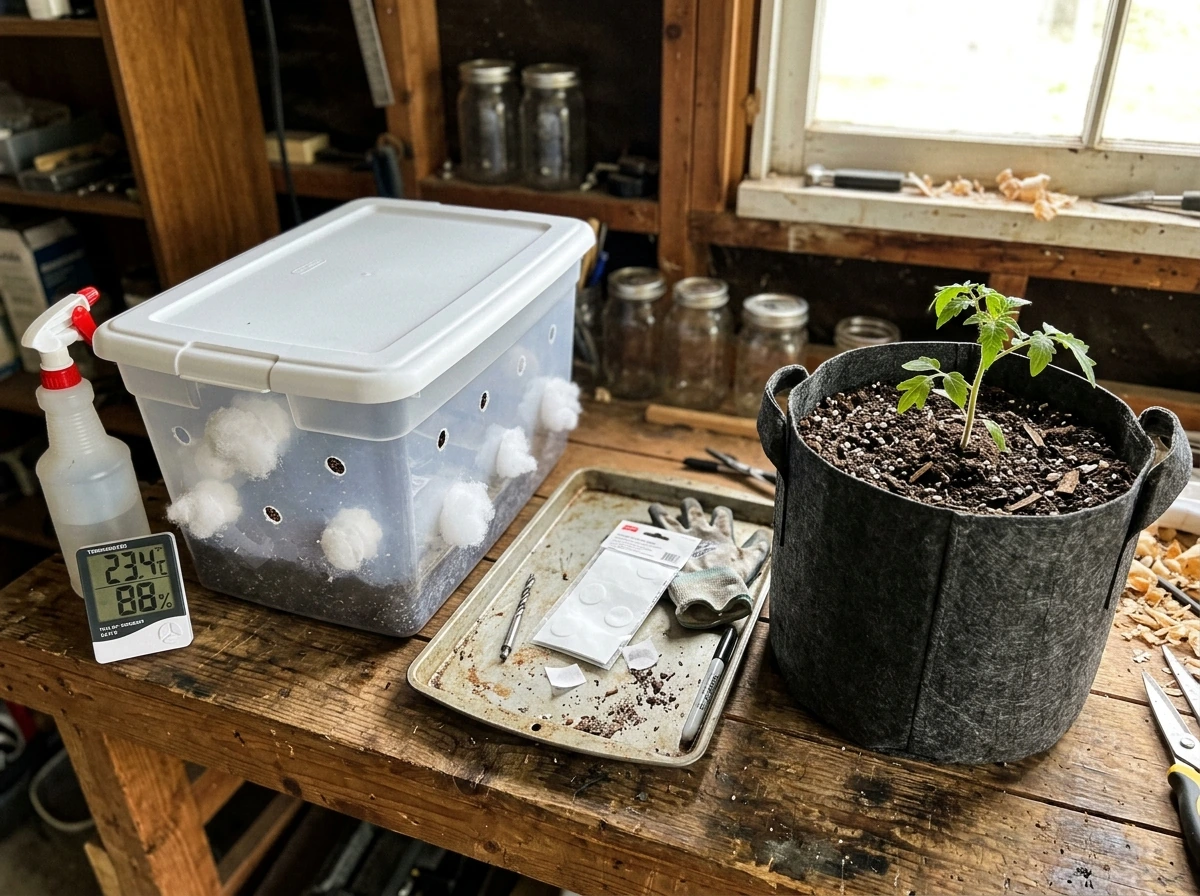
Monotub vs Grow Bag: Which Works Best for Your Setup
Monotub vs grow bag comparison for mushrooms and plants: setup, moisture, contamination, cost, and step-by-step start ti
Best All-in-One Mushroom Grow Bag: How to Choose and Start
Pick the best all-in-one mushroom grow bag for your species, space, humidity, and experience. Start, maintain, troublesh